

SURFACE SEALANT

Fugitive Dust
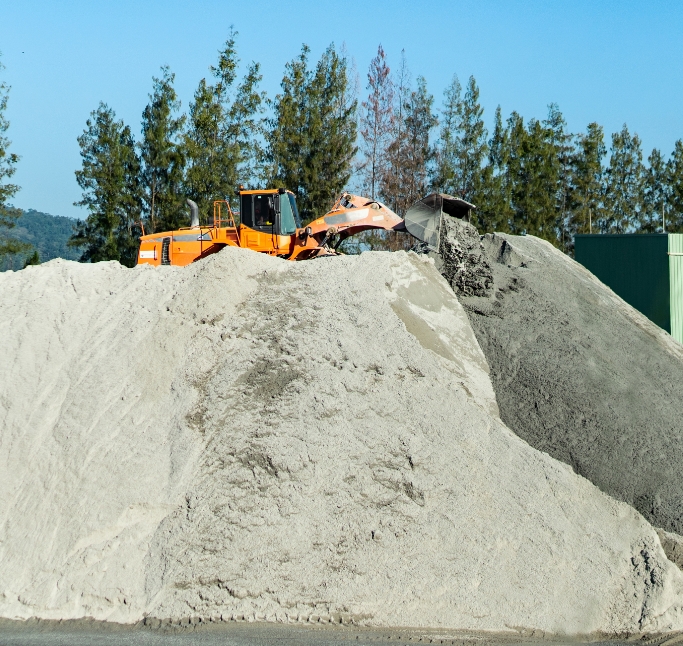
Fugitive dust is particulate matter (PM10 and PM2.5) creating an air pollutant generated during commercial or business activities such as sand, gravel and rock-mining operations, paving operations, and earthmoving operations. It is also generated during loading and unloading of materials, wind-blown from material stockpiles and exposed soils, and from vehicular traffic. Total particulate matter makes up 18.5% of all pollutants. It’s the second most prevalent type of pollutant, after carbon monoxide.
Fugitive dust can create or aggravate serious health conditions. In fact, of all the most common air pollutants, PM2.5 specifically, creates the most negative health effects, in North America as well as worldwide.
Fugitive dust pollution also has an a dverse impact on the environment. It restricts access of plants to sunlight, thereby reducing the amount of photosynthesis that can occur. It also affects ecosystems through being deposited in soil or on plants (and then being absorbed into the plant) as well as in water (contaminating rivers, lakes, and streams).
Fugitive dust causes over 40% of all particulate matter pollution in the U.S. and 91% of this dust is specifically from unpaved roads and construction sites. These industries are collectively responsible for 9.6 million tons of fugitive dust pollution each year.
In Canada, fugitive dust pollution, from unpaved roads and construction sites, makes up a massive 83% of all PM matter in the country. The total amount of dust from unpaved roads and construction sites is almost 24 million tonnes, larger than the entire amount of PM in the U.S.
40%
of all PM
91%
In Canada, unpaved roads and construction sites, makes up a massive
83%
of all PM matter